Saltwater eats metal, vessels rock violently in open seas, and space is always at a premium on a drilling platform. If your electrical systems fail out there, you cannot just pull over and wait for a technician. Marine and offshore environments demand power systems that can handle extreme thermal loads while resisting relentless corrosion. Standard off-the-shelf components usually fail quickly under these harsh conditions. That is why custom heavy-duty electrical setups are a necessity for modern vessel operations. Choosing the right resistor bank manufacturers makes all the difference when designing systems that survive the ocean.
In this deep dive, we will look at how custom engineering solves the unique problems of maritime power management. You will learn about materials that fight rust, smart cooling methods and how custom configurations protect massive ships and offshore platforms.
Why Marine Power Quality Needs Custom Solutions
Modern ships and offshore rigs are essentially floating microgrids. They generate, distribute and consume massive amounts of electricity independently. Large thrusters, heavy winches and cranes create huge power surges and spikes during operation. When a massive crane lowers a heavy load, it generates electricity that needs to go somewhere safe.
Without a rugged way to dissipate this energy, you risk damaging sensitive onboard electronics or tripping main circuit breakers. Custom dynamic braking and grounding systems act as a safety valve for these high-energy spikes.
Historically, standard industrial designs failed at sea because engineers overlooked salt spray buildup and constant vibrations. A loose connection on land is an easy fix, but a loose connection during a storm at sea can shut down propulsion systems completely.
Engineering for the Ocean: Key Design Elements
Designing a power resistor for a ship requires looking far beyond basic electrical calculations. The physical environment dictates the structural layout.
Material Selection and Corrosion Resistance
Standard steel enclosures will turn to rust flakes within months of exposure to sea air. Custom marine designs rely heavily on high-grade stainless steel, typically 316-grade, for all structural framing and enclosures. The internal resistive elements must also withstand high temperatures without oxidising. Specialised alloys containing chromium, aluminium and iron maintain stable resistance values even when glowing hot under heavy loads.
Thermal Management and Airflow
Space is incredibly tight on ships and oil rigs. Designers must pack high-wattage capabilities into tiny footprints. This requires smart thermal engineering.
- Forced Air Cooling: High-powered fans drive air over the elements to remove heat rapidly, though this requires regular maintenance to keep filters clear of salt crusts.
- Natural Convection: Using the natural rise of hot air through carefully placed louvres, removing the risk of mechanical fan failure.
- Liquid Cooling: Utilising existing shipboard freshwater loops to transfer heat away quietly, which keeps the equipment footprint exceptionally small.
The Critical Role of Heavy Grid Elements
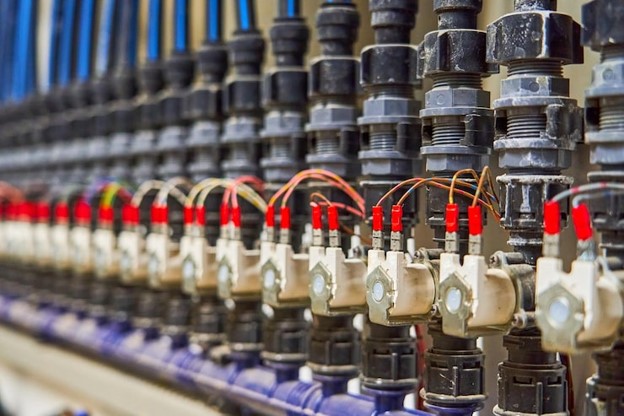
When dealing with massive kilowatt or megawatt loads, traditional wirewound designs become too bulky and fragile. A high power grid resistors manufacturer will instead use stamped or punched metallic grids stacked together with robust ceramic insulators.
These grid configurations provide excellent airflow and can survive the intense mechanical shocks caused by rough waves or engine vibrations. They handle massive current rushes without warping or melting. This durability makes them ideal for neutral grounding systems, crane braking and load testing onboard diesel-electric vessels.
Vibration Resistance and Structural Integrity
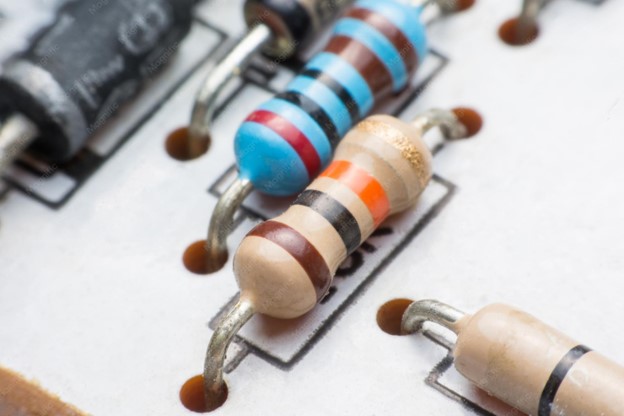
Ships never stop moving and the low-frequency hum of large diesel engines creates constant structural vibration. Standard electrical components can suffer from microscopic stress cracks over time under these conditions.
Every component must also be positioned to allow easy inspection. Ship crews need to check connections quickly during routine maintenance windows, so clear access panels and legible wiring diagrams are vital parts of practical engineering.
Using a specialized high-power wire grid resistors design ensures that the system handles both the electrical load and the physical beating of the open sea. It keeps the vessel running smoothly without unexpected downtime.
Finding the Right Balance
Investing in custom electrical hardware probably seems expensive before everything looks compared to traditional options. But the price of a holiday on a ship quickly eclipses the fee of a unique, custom power machine. When specifying your next marine company, prioritize suppliers who understand Marine Class Society standards and demonstrate a demonstrated tune-up documentation of robust machine building.
A properly designed system works silently in the background for many years, keeping your flock safe and your power grid strong regardless of how choppy the seas get.
Conclusion
Custom electrical systems are the unsung heroes of the maritime world. By choosing rugged materials, prioritising vibration resistance and focusing on specialised grid designs, operators can avoid costly power failures. Investing in heavy-duty engineering keeps critical marine vessels moving forward safely.
For reliable, high-performance power management systems designed specifically for harsh conditions, Onics power resistor offers tailored solutions that keep your operations running smoothly.
FAQs
What makes a high-power grid resistor manufacturer suitable for marine projects?
A suitable manufacturer understands the severe impact of marine environments, including salt spray and constant vibrations. They utilize corrosion-resistant materials like 316 stainless steel and design heavy-duty insulation systems that prevent electrical grounding faults caused by moisture and salt buildup.
Why are high-power wire grid resistors used instead of standard wirewound types on ships?
Grid designs are much more rugged and can handle massive electrical currents without warping or cracking. They offer better airflow for natural cooling and tolerate the continuous, low-frequency vibrations caused by large marine diesel engines much better than fragile wire coils.
What are the main benefits of hiring specialized resistor bank manufacturers?
Specialized manufacturers tailor the dimensions, cooling methods, and electrical ratings to fit the limited spaces available on ships and rigs. They ensure the final product meets strict maritime safety standards and can handle sudden energy surges from heavy shipboard machinery.
How do cooling options differ for offshore electrical enclosures?
Offshore designs rely on natural convection, forced air with fans, or liquid cooling loops. Natural convection offers the highest reliability because it has no moving parts to fail, while liquid cooling is chosen when space is extremely tight and the system needs to stay compact.