A resistor failing months before its expected lifespan rarely happens by chance — it’s almost always the result of a specific, identifiable cause. Whether it’s poor installation, excessive heat, or a manufacturing shortcut, premature failure in aluminium housed resistors usually traces back to a handful of recurring issues. Understanding these causes helps engineers catch problems before they cause costly downtime, rather than discovering them after a unit has already burned out in the field.
Overheating From Inadequate Ventilation
Heat is the single biggest factor behind resistor degradation, and aluminium-housed units are no exception despite their strong thermal dissipation properties. Installing a resistor in an enclosed cabinet without proper airflow, or mounting it too close to other heat-generating components, traps thermal energy that the aluminium casing can’t dissipate fast enough. Over time, this trapped heat accelerates insulation breakdown and shortens the component’s usable life well below its rated potential. Ensuring adequate clearance and airflow around the unit is one of the simplest, most overlooked preventive steps.
Stress From High-Duty Braking Cycles
Braking applications place repeated, high-energy thermal pulses on a resistor in rapid succession, and not every design is built to absorb this kind of cyclical stress reliably. Aluminium Housed Metal Clad Braking Resistors are specifically engineered to handle these repeated pulses, but even purpose-built units fail prematurely when duty cycle specifications are exceeded during actual operation. Matching the resistor’s rated duty cycle to real-world usage patterns — rather than estimating loosely — prevents the cumulative thermal fatigue that leads to early failure.
Poor Manufacturing Tolerances
Not every aluminium-housed resistor on the market is built to the same standard, and inconsistent manufacturing tolerances are a common, if less visible, cause of premature failure. Sourcing from an established High Power Aluminium Resistor manufacturer significantly reduces this risk, since precise element winding, secure casing seals, and accurate resistance values all depend on tight production control. A resistor built with loose tolerances might perform adequately at first, only to fail well ahead of schedule once subjected to real operating stress.
Incorrect Mounting and Installation
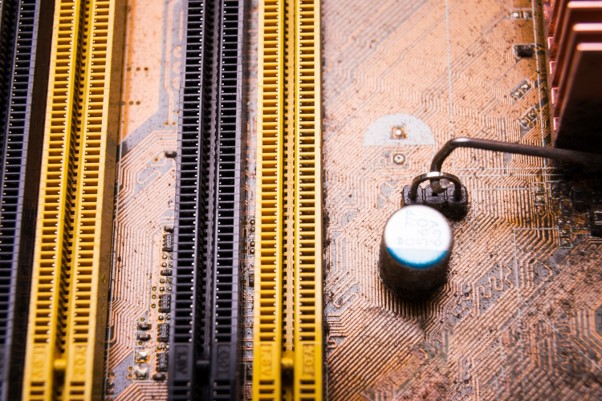
Even a well-manufactured resistor can fail early if it’s installed incorrectly. Loose mounting hardware allows vibration to loosen internal connections over time, particularly in industrial environments with continuous mechanical movement. Improper wiring terminations, meanwhile, can introduce resistance at connection points that generates unexpected localised heating. Following manufacturer torque specifications and double-checking terminal connections during installation prevents a large share of failures that have nothing to do with the resistor’s design at all.
Sourcing From Unreliable Suppliers
Procurement decisions matter just as much as design specifications. Working with established Aluminium housed Resistor Manufacturers in India who maintain documented quality control processes gives engineers far more confidence in long-term reliability than sourcing from suppliers without a verifiable track record. Cheaper alternatives from unproven sources often carry hidden risks — inconsistent materials, undocumented testing, or vague specifications — that only become apparent after installation, when failure has already caused disruption.
Inconsistent Quality Across Batches
Even reputable suppliers can experience batch-to-batch variation if internal quality control isn’t rigorous. The most dependable Power resistors manufacturers implement consistent testing across every production run, not just sample units, catching defects before they reach the field. Engineers managing large installations with multiple resistors should ask suppliers directly about batch testing procedures, since this consistency often matters more to long-term reliability than any single datasheet specification.
Preventive Best Practices
Preventing premature failure comes down to a combination of correct specification, careful installation, and ongoing monitoring. Regular thermal inspections, adherence to rated duty cycles, and periodic checks of mounting hardware catch small issues before they escalate into full failures. Pairing these habits with components sourced from manufacturers who prioritise consistent quality gives engineers the best realistic chance of hitting — or exceeding — a resistor’s expected operational lifespan.
Conclusion
Most premature resistor failures are preventable once the underlying causes are understood and addressed at the source. Powerresistor works closely with engineering teams to specify, install, and maintain aluminium housed resistors correctly from day one, helping industrial operations avoid the costly downtime that comes with early component failure. Getting these fundamentals right protects both equipment reliability and long-term operating costs.