High power electrical systems demand components that can handle continuous load, dissipate heat efficiently, and maintain long-term stability. The use of the aluminium housed resistors has gained popularity in such applications because they are mechanically strong, thermally efficient and have good operational reliability. The resistors are common in industrial drives, braking systems, power supplies and automation equipment where consistency in performance is important.
This blog describes the reasons why resistors in aluminium housing are usually chosen in high-power applications, their performance in adverse conditions and why they are used in industries. Its emphasis is on the functionality of performance, design advantages and real-world application pertinent to the engineers and other technical purchasers.
Understanding Aluminium Housed Resistors
Power resistors are aluminium housed resistors that are trapped between an aluminum housing that functions as a casing and a heat sink. The housing enables the transfer of heat effectively in the form of heat dissipation when mounted on panels, heat sinks or chassis surfaces.
These are usually wire-wound resistors or thick-film resistors that are intended to be run at high wattage and variable electrical loads. They are designed in such a way that their resistance values remain constant even in the case of continuous thermal stress.
Why Heat Dissipation Matters in High Power Applications

One of the most important high-power resistor selection factors is heat management. Too much heat might cause resistance drift; insulation melt and early component failures.
Aluminium housings offer:
- Efficient thermal conductivity for rapid heat transfer
- Reduced hotspot formation during continuous operation
- Better temperature control when used with proper mounting surfaces
This thermal efficiency directly improves system reliability, especially in power electronics, where resistors are exposed to repeated load cycles.
Mechanical Strength and Environmental Protection
High-power environments often involve vibration, dust, and temperature variations. Aluminium housings provide a rigid outer shell that protects internal resistor elements from mechanical damage and environmental exposure.
Key structural advantages include:
- Strong resistance to mechanical stress and vibration
- Protection against dust and accidental contact
- Improved durability in industrial enclosures
This makes aluminium housed resistors suitable for both indoor and semi-exposed industrial installations.
Stable Performance Under Continuous Load
Consistency is essential in applications such as braking systems, load banks, and motor drives. Aluminium housed resistors are engineered to maintain stable resistance values even when operating at high temperatures.
Performance stability is achieved through:
- Controlled winding or film deposition
- Secure internal insulation systems.
- Effective heat dissipation through the housing
As a result, these resistors deliver predictable electrical behavior over extended operating periods.
Common High Power Applications
Resistors are housed with aluminium material and they are highly utilized in industries since they are quite flexible and reliable. Common uses are dynamic braking systems in variable frequency drives, power supply load regulation, inverter and converter circuits, industrial automation panels and test or load bank equipment, where controlled power dissipation, reliability and stable electrical behavior are required to operate safe.
Their compact design allows easy integration into control panels and power assemblies without compromising performance.
Ease of Installation and System Integration
Installation flexibility is another advantage in high-power systems. Aluminium housed resistors are designed for straightforward mounting, often using chassis or panel-mounted configurations.
Practical installation benefits include:
- Easy surface mounting using standard hardware
- Efficient heat transfer when mounted on metal surfaces
- Space-efficient design for compact panels
This simplifies system design while maintaining thermal and electrical efficiency.
Long Service Life and Reduced Maintenance
Industrial systems are expected to operate continuously with minimal downtime. Aluminium housed resistors support this requirement by offering extended service life under normal operating conditions.
Their longevity is supported by:
- Robust construction materials
- Resistance to thermal cycling stress
- Stable electrical characteristics over time
Reduced failure rates mean lower maintenance costs and improved system uptime.
Role of Manufacturing Quality
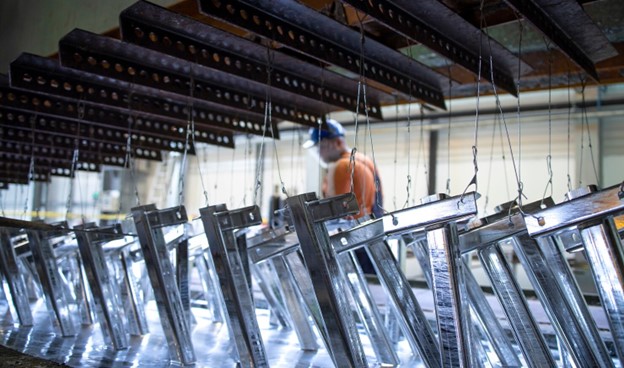
The performance of aluminium housed resistors depends heavily on manufacturing precision and material quality. This is why sourcing from experienced Aluminium housed Resistor Manufacturers in India is important for industrial buyers.
Quality manufacturers focus on:
- Accurate resistance tolerances
- Proper insulation and sealing techniques
- Consistent thermal performance testing
Reliable production standards ensure that resistors meet application-specific power and temperature requirements.
Selection Considerations for Engineers
When selecting aluminium housed resistors for high power use, engineers should evaluate.
The derating and power rating shall be taken into account and proper derating and mounting and heat dissipation route should be taken to ensure the operating temperature is controlled. The ambient conditions, electrical tolerance, and insulation class must also be in line with the demands of systems so as to have stable, safe, and efficient resistor operation with time.
Advantages Over Other Power Resistor Types
Compared to ceramic or open wire resistors, aluminium housed designs offer a balance of thermal efficiency, mechanical protection, and compact size.
Key comparative benefits:
- Better heat transfer than ceramic-encased resistors
- Safer handling due to enclosed construction
- Improved reliability in continuous duty cycles
These advantages explain their widespread adoption in modern power electronics.
Conclusion
Housed resistors that are made of aluminium have become the best choice when high power is required in an application because they dissipate heat efficiently, provide mechanical strength and their performance does not change over time when the load is maintained. They are a convenient option for both engineers and manufacturers because they can be easily integrated into industrial systems and can be used over the long term.
If you are evaluating power resistor solutions for demanding electrical systems, choosing components from a reliable supplier is essential. To learn more or request technical guidance, connect with Powerresistor.
FAQs
1. What makes aluminium housed resistors suitable for high power use?
Their aluminum casing provides efficient heat dissipation and mechanical protection, allowing stable operation under continuous high wattage loads.
2. Can aluminium housed resistors be mounted directly on panels?
Yes, they are designed for chassis or panel mounting to improve heat transfer and simplify installation.
3. Are aluminium housed resistors suitable for industrial environments?
They are widely used in industrial systems due to their durability, vibration resistance, and thermal stability.
4. How do aluminium housed resistors compare to ceramic resistors?
They offer better mechanical protection and easier heat dissipation while maintaining compact size and reliable performance.