A panel builder in Pune once switched suppliers three times in a single year, each replacement edge wound unit arriving with slightly different tolerance specifications despite identical part numbers on the invoice. Nobody had actually verified manufacturing consistency until repeated failures forced the question. Finding a genuine Edge Wound Resistor Supplier from India who maintains consistency across every batch matters far more than most buyers realise until something goes visibly wrong.
What Makes Edge Wound Construction Different
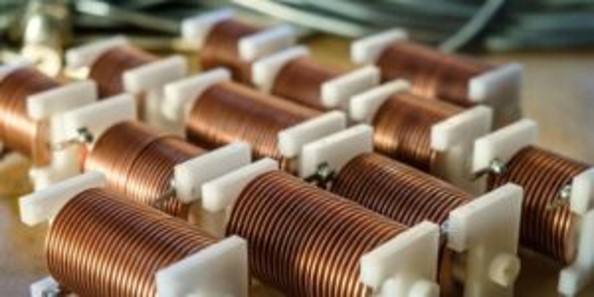
Edge wound resistors use flat ribbon wire wound on its edge, rather than round wire coiled in the more common fashion. This construction creates a compact, mechanically robust form factor capable of handling higher current densities within a smaller physical space than many alternative designs manage.
The flat profile also improves heat dissipation along the wound surface, since more material contacts the supporting core directly compared to round wire designs with more limited contact points.
Why This Construction Suits Demanding Applications
Certain characteristics make edge wound resistors particularly well suited to specific industrial and commercial uses.
- Higher current handling capacity within a compact physical footprint compared to standard round wire coils
- Strong mechanical durability, resisting vibration and physical stress better than more delicate winding patterns
- Precise resistance tolerance, useful in applications where measurement accuracy genuinely matters
- Effective heat dissipation, supporting sustained operation without premature degradation over time
These properties combine to make edge wound designs a preferred choice wherever space constraints and demanding electrical performance intersect.
Common Applications Across Industries
Edge wound resistors appear across a fairly wide range of industrial and technical settings, each drawing on slightly different aspects of the design’s strengths.
- Power supply units requiring stable resistance under variable load conditions
- Motor control systems, where current surges demand robust thermal and mechanical handling
- Aerospace and defence electronics, where compact size and reliability both matter considerably
- Renewable energy systems, particularly in power conversion and regulation circuits
Applications with limited installation space but genuine need for high current handling tend to gravitate toward this construction specifically, rather than settling for bulkier alternatives.
What Separates Reliable Power Resistors Manufacturers From the Rest
Manufacturing consistency matters enormously for edge wound designs specifically, since even minor variations in winding tension or ribbon thickness affect performance meaningfully across a production batch.
Worth verifying when evaluating Power resistors manufacturers:
- Consistent tolerance specifications maintained across multiple production runs, not just an initial sample
- Quality control processes documented clearly, rather than described only in general terms
- Testing data demonstrating performance under the specific current and thermal conditions your application actually generates
A manufacturer unwilling to share this level of detail, relying instead on broad claims about quality, often lacks the rigorous process control that genuinely reliable edge wound production requires.
Why Sourcing From an Established Indian Manufacturer Makes Sense
India’s manufacturing sector has developed considerable expertise in precision resistor production over recent decades, offering both technical capability and competitive advantages worth understanding.
Working with a genuine resistor manufacturing company in India typically offers:
- Cost efficiency without necessarily compromising on manufacturing precision or material quality
- Established export experience, easing logistics for international buyers sourcing at scale
- Growing technical capability matching international standards across increasingly specialised applications
Buyers assuming domestic sourcing automatically means compromised quality often overlook how significantly this sector has matured, particularly among manufacturers investing genuinely in testing and quality control infrastructure.
Questions Worth Asking Before Committing to a Supplier
A short, direct conversation before placing a large order reveals considerably more than a specification sheet ever will.
Worth asking directly:
- Can you provide testing data for units under conditions matching my specific application?
- How do you maintain tolerance consistency across different production batches?
- What quality control checks happen before units leave your facility?
Suppliers answering these clearly and specifically, rather than deflecting toward general reassurance, tend to be the ones worth building a longer-term relationship with.
Choosing a Supplier Built for Consistency
Edge wound resistor performance depends heavily on manufacturing precision, and that precision only matters if it holds consistently across every batch a supplier delivers, not just the first sample sent for evaluation. Verifying this before committing to volume orders prevents exactly the kind of repeated replacement cycle our Pune panel builder experienced.
At Power Resistor, we maintain strict consistency across every production run, ensuring the units we deliver perform identically to the samples that earned a client’s trust in the first place.
Frequently Asked Questions
What makes edge wound resistors suitable for high current applications?
Their flat ribbon construction allows higher current handling within a compact space, while improving heat dissipation compared to round wire winding designs.
How do I verify consistency when choosing an Edge Wound Resistor Supplier from India?
Ask for testing data across multiple production batches, and confirm documented quality control processes rather than relying on general assurances alone.
Are Power resistors manufacturers in India competitive with international suppliers on quality?
Many established Indian manufacturers now match international quality standards, offering competitive pricing alongside genuine technical capability and export experience.
What should I look for in a resistor manufacturing company in India for edge wound units?
Look for documented tolerance consistency, transparent quality control processes, and testing data specific to your application’s current and thermal requirements.