Factories don’t slow down because of big failures. They stop because of small components overheating, drifting, or failing under load. One of those quiet components is the coiled wire resistor, often ignored until something goes wrong.
This blog breaks things down simply. What are these resistors, how are they used, where are they applied and how to select the correct resistor without reading the specifications.
What Is a Coiled Wire Resistor
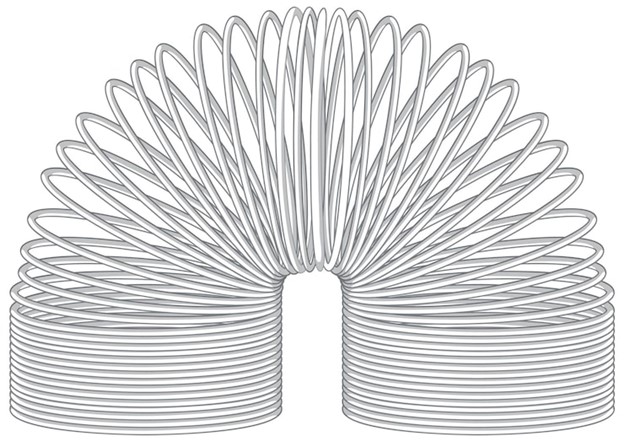
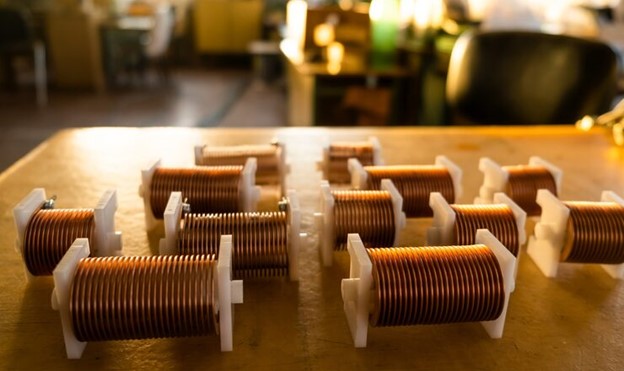
A coiled wire resistor is constructed by winding a high-resistance alloy metal wire around a ceramic or fiberglass core. That coil regulates the flow of electrical current. That winding is not random. The shape, spacing, and material all affect performance. This is why Coiled Wire Resistors are still widely used in heavy-duty and high-power environments.
Compared to thin film resistors, these handle heat better. That alone makes them valuable in industrial systems.
Why Industries Still Rely on Wire Wound Design
Modern electronics moved toward smaller components, but industrial setups still demand durability over size.
Wire-wound resistors stand out because they:
- Handle high-power loads without breaking down
- Maintain stable resistance over time
- Perform reliably in high-temperature conditions
They are long-lasting installations that many engineers would like to install. The good power resistor manufacturer usually sets these with particular cooling and loading needs of the load.
Types of Coiled Wire Resistors
Not all coiled resistors are built the same. Small design changes lead to different performance outcomes.
Fixed Wire Wound Resistors
These come with a set resistance value. Common in power supplies and control panels where consistency matters.
Adjustable Wire Wound Resistors
Also called rheostats or potentiometers. Used when resistance needs to change during operation.
Precision Wire Wound Resistors
Built for accuracy. Often used in measurement devices and calibration equipment.
High Power Wire Wound Resistors
Designed to handle heavy electrical loads. Found in industrial machinery, braking systems, and motor controls. Each type serves a clear purpose. Choosing wrong leads to overheating or a performance drop.
Key Industrial Applications
These resistors show up in places most people never notice, yet they carry critical roles.
- Motor control systems for speed regulation and load balancing
- Power generation equipment for voltage control and energy dissipation
- Automotive braking systems, where excess energy must be safely converted into heat
Factories, rail systems and even renewable energy setups depend on these components. Their ability to absorb and release energy safely is what keeps systems stable.
How to Choose the Right Coiled Wire Resistor
Selection is not just about resistance value. Real-world conditions matter more.
Look at these factors before choosing:
- Power rating and heat tolerance
- Operating environment, especially temperature and humidity
- Size and mounting requirements
- Long-term stability under continuous load
Many mistakes happen when buyers focus only on price. A slightly better component often saves downtime and maintenance costs later.
Practical Insight from Real Use
Engineers working with heavy machinery often stick with wire-wound designs for one reason. Predictability. These resistors behave consistently even under stress.
There’s also a trade-off. They are bulkier. But in industrial systems, reliability beats compact design almost every time.
Why This Component Still Matters
Technologies are becoming and becoming obsolete, yet the principles of electricity do not change. The control of heat, current and stability cannot be an option. Coiled wire resistors continue to do that job without noise or failure, provided the right type is selected and used correctly.
Conclusion
Coiled wire resistors are simple in design but critical in function. From motor systems to power control units, they provide stability where it matters most. Choosing the right type, understanding the load and working with a reliable power resistor manufacturer can prevent costly failures.
For dependable solutions and engineered performance, Enapros stands as a trusted name in the field.
FAQs
What is a coiled wire resistor used for in industry
It is used to control current, manage heat, and stabilize electrical systems in applications like motor control, power systems, and industrial machinery.
Are Coiled Wire Resistors better than other resistor types
They are better for high power and high temperature environments due to their durability and stable performance over time.
How do I choose a reliable power resistor manufacturer
Check for product testing standards, customization options, and proven experience in industrial applications before selecting a manufacturer.
Can coiled wire resistors handle continuous heavy loads
Yes, they are specifically designed for continuous high-load conditions when chosen with the correct power rating and specifications.