Modern motor drive systems operate under high electrical and mechanical loads. Excessive energy is produced within the drive system during the rapid deceleration, stopping, or load changes. Unless this energy is managed adequately, it may cause damage to drives, motors and other elements attached to them. Aluminium Housed Metal Clad Braking Resistors are very important in removing this surplus energy and guarding equipment against electrical strain.
This blog explains how braking resistors work, why they are essential for industrial drive systems and how choosing the right braking resistor improves system reliability, safety and performance.
Understanding Electrical Stress in Drive Systems
Electrical stress is a condition that arises when the levels of voltage or current are greater than the safe operating limits. Electrical stress is most often experienced in deceleration in variable frequency drives (VFDs), servo drives and in inverter-based systems.
Falling at a rapid rate, a motor acts like a generator. It does not take power but it returns energy to the drive. This regenerative energy raises the DC bus voltage inside the drive. If left unmanaged, it can lead to:
- Overvoltage trips that stop operations unexpectedly
- Damage to power semiconductors
- Reduced the lifespan of capacitors and insulation
- Increased maintenance and downtime
To safely release this excess energy in the form of heat, braking resistors are used to dissipate the excess energy.
What Is a Braking Resistor and How Does It Work?
An external component that is attached to the braking circuit of the drive is referred to as a braking resistor. Its function is simple but essential.
Upon reaching a certain DC bus voltage, the drive turns on a braking chopper. Chopper converts the surplus energy into the braking resistor. This electric energy is converted to heat and is dissipated by the resistor into the immediate environment.
This regulated energy loss maintains the level of voltage at safe levels and enables the motor to slow down without hurting the drive.
Why Aluminium Housed Braking Resistors Are Widely Used
Aluminium-housed braking resistors are preferred in industrial environments due to their mechanical strength and thermal efficiency.
Key advantages include:
- Excellent heat dissipation due to aluminium housing
- Compact design suitable for control panels
- High resistance to vibration and harsh environments
- Stable performance under repeated braking cycles
These features make aluminium-housed designs suitable for applications where frequent braking or rapid deceleration is required.
Applications Where Braking Resistors Are Critical
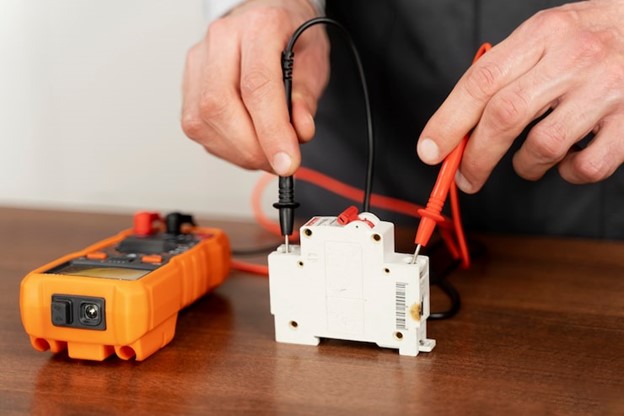
Braking resistors are not optional components in many systems. They are essential wherever controlled stopping and energy management are required.
Common applications include:
- Variable frequency drives in industrial machinery
- Elevators, hoists and cranes
- Conveyor systems
- CNC machines
- Winders and unwinders
- Test benches and load simulation systems
In these applications, braking resistors protect motors and drives from voltage spikes while improving stopping accuracy and operational safety.
How Braking Resistors Protect Drives and Motors
Preventing Overvoltage Conditions
Braking resistors absorb regenerative energy and avoid DC bus overvoltage. This minimizes the threat of drive trips and it secures sensitive electronic parts.
Reducing Thermal Stress on Components
Uncontrolled energy buildup increases internal heating. Braking resistors shift this thermal load away from the drive, extending the lifespan of power modules and capacitors.
Improving Braking Performance
Unless a braking resistor is used, drives can increase deceleration time in order to prevent overvoltage. Motors are able to stop more predictably with a good braking resistance.
Enhancing System Reliability
Stable voltage control reduces fault conditions, ensuring consistent operation even during frequent start-stop cycles.
Selecting the Right Braking Resistor

The braking resistor is a critical component in choosing the right braking resistor. A resistor that is too small can overheat, and a resistor that is too large can be too expensive and space-consuming.
Key selection factors include:
- Resistance value based on drive specifications
- Power rating (continuous and peak)
- Duty cycle and braking frequency
- Ambient temperature and cooling conditions
- Mounting method and enclosure type
Working with a reliable High Power Aluminium Resistor manufacturer ensures the braking resistor is engineered to meet both electrical and thermal demands of the application.
Installation and Safety Considerations
Proper installation is essential to ensure safe and effective operation.
Braking resistors are producers of a lot of heat. There will be a need to ensure adequate ventilation and clearance to prevent heat accumulation. Designs that use aluminium should be placed on surfaces that are not heat sensitive and ones that are not sensitive to wiring.
Other safety factors are:
- Thermal protection or temperature sensors.
- Wiring and grounding are to be done correctly.
- Mounting according to the recommended guidelines of the manufacturer.
These measures will aid in reducing the possibility of overheating and will also make the system less hazardous.
Performance Benefits in Industrial Operations
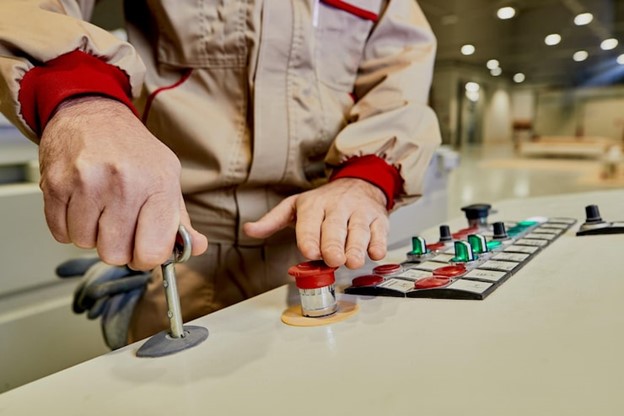
The productivity and equipment life are directly affected by the use of braking resistors.
The industrial systems that have the proper choice of braking resistors have fewer drive faults, smoother deceleration and better machine control. This translates to less downtime, maintenance expenses and steady output of the production.
In the long-run, the costs of quality braking resistors can be justified in terms of operational and financial returns.
Conclusion
These modern drive systems cannot do without braking resistors, which are necessary to shield the motors and drives against electrical strains due to the effect of the regenerative energy. They are important to the system reliability and safety by regulating the voltage levels, enhancing braking performance and minimizing the thermal load. The choice of resistor design and rating would guarantee long life in the challenging industrial conditions. Powerresistor provides engineered reliability and performance to meet the needs of dependable braking solutions manufactured to be used in industries.
FAQs
1. Why are braking resistors required in VFD systems?
Braking resistors absorb excess regenerative energy during deceleration, preventing DC bus overvoltage and protecting the drive from electrical damage.
2. What happens if a braking resistor is not used?
Without a braking resistor, the drive may trip due to overvoltage, experience component damage, or extend stopping time, reducing system efficiency.
3. How do aluminium housed braking resistors improve heat dissipation?
The aluminium enclosure conducts heat efficiently and releases it into the surrounding air, allowing stable operation under high power conditions.
4. How often should braking resistors be inspected?
Braking resistors should be inspected during routine maintenance for signs of overheating, loose connections, or physical damage to ensure safe operation.